




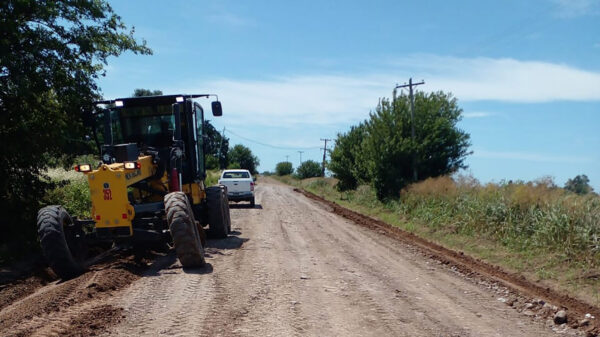




















- Considerable distances separate travelers from civilization along the infamous chicken road experience
- The Historical Roots and Purpose of the Dalton Highway
- Essential Vehicle Considerations for the Journey
- Navigating the Logistical Challenges of the Dalton Highway
- Understanding the Wildlife Encounters on the Dalton Highway
- Minimizing Your Impact on the Environment
- The Cultural Significance of the Dalton Highway to Local Communities
- Beyond the Gravel: Future Considerations for the Dalton Highway Experience
Considerable distances separate travelers from civilization along the infamous chicken road experience
The phrase “chicken road” evokes images of a challenging, often unpredictable journey, and for good reason. This notoriously difficult stretch of road, officially known as the Dalton Highway in Alaska, presents a unique test for drivers and their vehicles. More than just a simple transportation route, it’s an experience that separates those prepared for the harsh realities of the Alaskan wilderness from those who underestimate them. Its remoteness and demanding conditions have earned it a reputation among truckers, adventurers, and those seeking a true taste of the untamed north.
The Dalton Highway isn’t a scenic drive in the traditional sense; it’s a working road that primarily exists to support the Trans-Alaska Pipeline. This means constant truck traffic, rough gravel surfaces, and limited services. Travelers need to be entirely self-sufficient, carrying ample fuel, food, water, and repair equipment. The sheer scale of the landscape and the potential for unexpected delays make careful preparation paramount. Successfully navigating this route requires respect for the environment, a capable vehicle, and a resilient spirit.
The Historical Roots and Purpose of the Dalton Highway
The story of the Dalton Highway is inextricably linked to the construction of the Trans-Alaska Pipeline in the 1970s. Before the pipeline, access to the North Slope oil fields was severely limited. The United States Army Corps of Engineers began construction of the highway, initially known as the Haul Road, to facilitate the delivery of materials and equipment necessary for the pipeline’s construction. Its primary function wasn't to serve the general public, but rather to support a massive engineering undertaking. This utilitarian origin explains much of the road’s character today – it’s built for function over form and is constantly maintained to serve the pipeline infrastructure.
After the pipeline was completed in 1977, the Haul Road remained open, gradually gaining a reputation as a destination for adventurous travelers. Over time, improvements were made, but it has largely retained its rugged character. Today, the Alaska Department of Transportation and Public Facilities maintains the highway, but it continues to prioritize pipeline access. This often means that trucks servicing the pipeline have the right-of-way, and travelers should be prepared to yield frequently. The road’s history speaks to resource extraction and the significant engineering feats required to access Alaska's remote oil reserves.
The remoteness of the route also played a role in attracting a specific type of traveler – those seeking solitude and a challenge. The Dalton Highway became, and remains, a pilgrimage for those wanting to disconnect from modern life and immerse themselves in the Alaskan wilderness. The limited services and unpredictable conditions appeal to individuals looking for a genuine adventure.
Essential Vehicle Considerations for the Journey
Preparing your vehicle is arguably the most critical aspect of planning a trip along the Dalton Highway. A high-clearance four-wheel-drive vehicle is highly recommended, especially if traveling during or after inclement weather. The road surface is predominantly gravel, and washboarding is common, leading to a bumpy and potentially damaging ride. Tires are of utmost importance; sturdy, all-terrain tires with a full-size spare are essential. Damage to tires is the most frequent mechanical issue encountered by travelers. A good jack, lug wrench, and tire repair kit are also non-negotiable.
Beyond tires, consider the potential for broken windshields. Rocks are frequently kicked up by trucks, and even small stones can cause significant damage. Some travelers choose to install a windshield protector or carry a replacement windshield. Carrying extra fluids (oil, coolant, windshield washer fluid) and a comprehensive tool kit is also prudent. Finally, a satellite communication device (such as a satellite phone or a personal locator beacon) is highly recommended, as cell service is extremely limited or nonexistent along much of the route.
| Item | Importance |
|---|---|
| High-Clearance 4WD | Essential |
| All-Terrain Tires | Essential |
| Full-Size Spare Tire | Essential |
| Windshield Protector | Highly Recommended |
| Satellite Communication | Highly Recommended |
Proper vehicle preparation isn’t merely about preventing breakdowns; it’s about ensuring your safety and the safety of others. A well-maintained vehicle reduces the risk of becoming stranded in a remote and unforgiving environment.
Navigating the Logistical Challenges of the Dalton Highway
Successfully traveling the “chicken road” requires meticulous logistical planning. The limited services along the route mean that travelers must be entirely self-sufficient. Fuel is available at a few locations – Coldfoot and Wiseman – but prices are significantly higher than in more populated areas. It’s recommended to fill up whenever the opportunity arises and to carry extra fuel, especially if your vehicle has a limited range. Food options are similarly scarce; packing non-perishable food items and a cooler with perishable goods is essential. Water is also crucial; carry an adequate supply and consider bringing a water filter or purification tablets as a backup.
Accommodation is another challenge. There are a few lodges and campgrounds along the route, but reservations are highly recommended, particularly during peak season. Wild camping is permitted in many areas, but it's important to be aware of Leave No Trace principles and to respect the environment. It’s also important to be prepared for unpredictable weather conditions. The Alaskan interior can experience dramatic temperature swings, even within a single day. Pack layers of clothing and be prepared for rain, snow, and sunshine.
- Always fill up with fuel when available.
- Pack plenty of food and water.
- Make reservations for accommodation in advance.
- Be prepared for rapidly changing weather conditions.
- Carry a comprehensive first-aid kit.
The remoteness of the Dalton Highway also means that emergency services are limited. While there is some cellular coverage in certain areas, it is unreliable, and obtaining assistance may take a considerable amount of time. A satellite communication device is therefore an invaluable investment, allowing you to contact help in the event of an emergency.
Understanding the Wildlife Encounters on the Dalton Highway
The Dalton Highway traverses some of Alaska's most pristine wilderness, and encounters with wildlife are common. Caribou are frequently seen crossing the road, and moose and bears also inhabit the area. It is crucial to drive cautiously and be aware of your surroundings. Never approach wildlife, and maintain a safe distance. If you encounter a bear, avoid direct eye contact, make noise, and slowly back away. Carry bear spray and know how to use it. It’s also important to store food securely to avoid attracting animals to your campsite.
Understanding the seasonal movements of wildlife is also important. During the spring and fall, caribou migrate across the highway in large herds, and traffic may be temporarily stopped to allow them to pass. In the summer, bears are more active as they prepare for hibernation. Regardless of the season, it’s essential to respect wildlife and to prioritize safety. Observing these magnificent creatures from a safe distance is a rewarding part of the Dalton Highway experience.
Minimizing Your Impact on the Environment
Traveling responsibly on the Dalton Highway means minimizing your impact on the delicate Alaskan ecosystem. Practice Leave No Trace principles by packing out all trash, staying on designated trails, and avoiding disturbing vegetation. Respect wildlife by maintaining a safe distance and not feeding animals. Be mindful of water sources and avoid polluting them. By following these simple guidelines, you can help to preserve the beauty and integrity of this unique wilderness area.
- Pack out all trash.
- Stay on designated trails.
- Avoid disturbing vegetation.
- Respect wildlife by maintaining a safe distance.
- Minimize water pollution.
The Dalton Highway is a privilege to experience, and it’s our collective responsibility to protect it for future generations. Sustainable travel practices ensure that this iconic road remains a testament to the wild beauty of Alaska.
The Cultural Significance of the Dalton Highway to Local Communities
The Dalton Highway isn't just a road through the wilderness; it’s a lifeline for the communities along its route, specifically the villages of Coldfoot and Wiseman. These settlements rely on the highway for the delivery of goods, supplies, and access to essential services. Supporting local businesses in these communities is a vital way to contribute to their economic sustainability. Buying gas, food, or lodging from local providers helps to ensure their continued viability.
Furthermore, the highway has fostered a unique cultural exchange between the transient travelers and the long-term residents. Hearing stories from those who have chosen to live along the Dalton Highway offers a glimpse into a resilient and independent way of life. Respecting the traditions and customs of these communities is crucial. Engaging with locals respectfully can enrich the travel experience and create a deeper understanding of Alaskan culture. The road serves as a connective tissue, linking remote communities to the wider world.
Beyond the Gravel: Future Considerations for the Dalton Highway Experience
The Dalton Highway continues to evolve, balancing its primary function of supporting the Trans-Alaska Pipeline with its growing role as a destination for adventure travelers. Discussions regarding potential improvements to the road surface and infrastructure are ongoing, but it’s likely that it will retain its rugged character for the foreseeable future. The challenges of maintaining a road in such a remote and harsh environment are significant. Investing in technologies for improved road maintenance and weather forecasting could enhance safety and accessibility.
However, it’s important to approach any changes with caution, ensuring that they don’t compromise the unique wilderness experience that the Dalton Highway offers. Finding the right balance between accessibility and preservation will be key to ensuring its long-term sustainability. Perhaps initiatives focusing on responsible tourism – educational programs for travelers, support for local communities, and promotion of Leave No Trace principles – could help to maintain the integrity of this iconic route. Looking forward, the continued stewardship of the “chicken road” requires a commitment to both its practical function and its inherent wildness.