




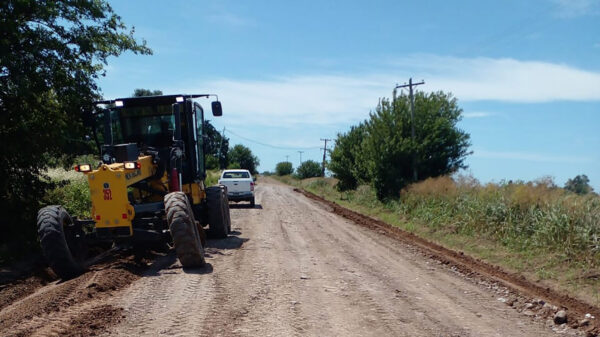




















- Historic pathways reveal the allure of chicken road driving experiences
- The Historical Roots of Rural Routes
- The Impact of Early Automotive Travel
- The Rise of Scenic Route Tourism
- Factors Contributing to Popularity
- Navigating the Challenges & Ensuring Preservation
- Sustainable Tourism Practices
- The Future of the Scenic Drive
- Emerging Trends in Rural Travel
Historic pathways reveal the allure of chicken road driving experiences
The term “chicken road” evokes images of winding paths, often unpaved and challenging, leading to secluded destinations. Initially born from necessity – routes designed for transporting livestock, specifically chickens, to market – these roads have transformed over time into sought-after driving experiences. They represent a connection to a simpler past, offering a unique alternative to the monotony of modern highways. The allure lies in the adventure, the scenic beauty, and the feeling of escaping the ordinary.
These routes, often found in rural areas, are characterized by their narrowness, curves, and sometimes precarious conditions. While no longer primarily used for poultry transport, they’ve become popular with motorists seeking a more engaging and immersive driving experience. The slower pace encourages drivers to appreciate the surrounding landscapes, leading to a sense of discovery and tranquility unavailable on faster, more direct routes. It's a journey as much about the destination as the process of getting there, a tangible link to regional history and character.
The Historical Roots of Rural Routes
The origins of what we now romantically refer to as “chicken roads” are deeply intertwined with the agricultural past of many regions. Before the widespread availability of refrigerated transport and efficient road networks, getting produce, and particularly livestock, to market was a significant logistical challenge. Farmers relied on local roads, often little more than dirt tracks, to transport their goods. Chickens, being relatively small and easily handled, were a common commodity, and the routes frequently used for their transport became known colloquially as “chicken roads”. These were not planned highways; they evolved organically based on the needs of the local community and the topography of the land.
The very nature of these roads dictated a slower speed and a greater awareness of the surroundings. They were often built along contours to minimize steep gradients, leading to winding and twisting paths. This design, while practical for the time, also contributed to their unique charm. As the automobile became more prevalent, these routes were often maintained at a basic level, sufficient for local traffic but not for the demands of high-speed travel. This neglect is precisely what has helped preserve their character, making them attractive to those seeking an escape from the standardization of modern infrastructure.
The Impact of Early Automotive Travel
The arrival of the automobile presented a new dynamic for these rural roads. Early motorists, lacking the extensive highway systems we have today, often relied on these very routes to connect towns and cities. The challenge of navigating these roads required skilled driving and reliable vehicles. Automotive clubs began advocating for road improvements, but often these improvements focused on larger, more commercially important routes, leaving the “chicken roads” largely unchanged. This preservation of their original character is a key element in their current appeal.
The experience of driving on these roads in the early 20th century was significantly different from today. Breakdowns were common, and drivers often relied on the assistance of local residents. This fostered a sense of community and interdependence. The roads themselves were often unmapped and relied on local knowledge. Stories of adventurous travelers and challenging journeys became part of the lore surrounding these routes.
| Road Surface | Typical Width | Common Features | Historical Usage |
|---|---|---|---|
| Dirt or Gravel | 8-12 feet | Sharp Curves, Steep Grades | Livestock Transport, Local Travel |
| Unpaved | Variable | Limited Visibility, Narrow Bridges | Agricultural Access |
| Minimal Maintenance | Generally Narrow | Scenic Views, Historic Villages | Connecting Rural Communities |
| Often Winding | Dependent on Terrain | Rustic Charm, Local Landmarks | Early Automotive Tourism |
The table above illustrates the typical conditions found on these historical roadways, highlighting how significantly they differ from modern highway standards.
The Rise of Scenic Route Tourism
In recent decades, there has been a growing appreciation for the scenic beauty and historical significance of these rural roads. This has led to a surge in “slow tourism,” where the emphasis is on experiencing the journey rather than simply reaching the destination. Drivers are actively seeking out routes that offer a more authentic and immersive travel experience, and “chicken roads” fit this profile perfectly. The increased interest has prompted some communities to invest in maintaining and promoting these routes, recognizing their potential to attract visitors and boost local economies.
The appeal of these routes extends beyond just the driving experience. They often pass through charming villages, historic sites, and areas of natural beauty. Stopping to explore these local attractions adds another layer of richness to the journey. The slower pace allows travelers to connect with the local culture and appreciate the unique character of each region. This is a deliberate rejection of the impersonal and homogenized experience often associated with mass tourism.
Factors Contributing to Popularity
Several factors have contributed to the growing popularity of scenic route tourism. The increasing availability of detailed maps and GPS navigation systems makes it easier to locate and navigate these routes. Online travel forums and social media platforms allow enthusiasts to share their experiences and recommendations. The desire for authentic and unique travel experiences, coupled with a growing awareness of the environmental impact of long-distance travel, is also driving demand for more sustainable and locally-focused tourism.
Furthermore, the rise of adventure tourism has played a role. Many “chicken roads” are suitable for off-road vehicles, attracting enthusiasts who enjoy challenging drives and exploring remote areas. The combination of scenic beauty, historical significance, and adventurous driving opportunities makes these routes particularly appealing to a diverse range of travelers.
- Scenic vistas and natural landscapes offer photographic opportunities.
- Historic sites and local villages provide cultural immersion.
- Challenging terrain caters to adventure seekers.
- Reduced traffic and slower speeds promote relaxation.
- Opportunities to support local businesses and communities.
The list above details some of the core advantages that make these routes so appealing to modern travelers looking for more than just a point A to point B dash.
Navigating the Challenges & Ensuring Preservation
While the increasing popularity of “chicken roads” is a positive development, it also presents challenges. The very qualities that make these routes so appealing – their narrowness, winding paths, and sometimes precarious conditions – can also make them difficult to navigate. Drivers need to be prepared for slower speeds, limited visibility, and potentially rough surfaces. It’s crucial to prioritize safety and exercise caution when driving on these roads. Proper vehicle maintenance and awareness of road conditions are essential.
Perhaps a more significant challenge is ensuring the preservation of these routes. Increased traffic volume can lead to erosion and damage to the road surfaces. Development pressures can threaten the surrounding landscapes and historical sites. Sustainable tourism practices are essential to minimize the impact of tourism and protect the unique character of these routes. This includes responsible driving, respecting local communities, and supporting local businesses.
Sustainable Tourism Practices
Implementing sustainable tourism practices is paramount to protecting these treasured routes. This involves encouraging visitors to drive responsibly, stay on marked roads, and avoid damaging the surrounding environment. Supporting local businesses and communities helps to ensure that tourism benefits the local economy. Educating visitors about the history and cultural significance of the routes fosters a greater appreciation for their value. Collaboration between local governments, tourism operators, and community members is essential for developing and implementing effective preservation strategies.
Another vital component is managing traffic flow. Implementing seasonal restrictions or limiting access to certain sections of the roads can help to minimize congestion and reduce environmental impact. Investing in road maintenance and repairs is also crucial to ensure the long-term viability of these routes. These roads are a valuable cultural and natural asset, and their preservation requires a concerted effort from all stakeholders.
- Ensure your vehicle is well-maintained, with good tires and brakes.
- Drive at a safe speed, adjusting to the road conditions.
- Be aware of local wildlife and potential hazards.
- Respect private property and local communities.
- Leave no trace – pack out everything you pack in.
The steps above represent basic guidelines for travelers hoping to enjoy these routes responsibly and ethically.
The Future of the Scenic Drive
The future of “chicken roads” looks promising, as the demand for authentic and immersive travel experiences continues to grow. However, their long-term sustainability will depend on a commitment to responsible tourism practices and proactive preservation efforts. Technology can also play a role, with the development of digital maps and GPS apps that highlight scenic routes and provide information about local attractions. Continued investment in road maintenance and infrastructure is essential to ensure that these routes remain accessible and enjoyable for future generations.
The essence of the “chicken road” experience – the connection to a simpler past, the appreciation for scenic beauty, and the sense of adventure – will continue to resonate with travelers seeking an escape from the ordinary. Embracing the unique character of these routes and fostering a sense of stewardship will ensure that they remain a treasured part of the travel landscape for years to come. It’s about valuing the journey, not just the destination.
Emerging Trends in Rural Travel
Beyond simply maintaining accessibility, a growing trend is the integration of “chicken road” experiences with other forms of rural tourism. Agri-tourism, where visitors can participate in farm activities or purchase local produce, is becoming increasingly popular. Similarly, eco-tourism initiatives that focus on preserving natural ecosystems and promoting responsible environmental practices are gaining traction. The combination of scenic driving with these complementary activities creates a more enriching and sustainable travel experience.
We are also seeing a rise in curated driving tours that specifically highlight “chicken roads” and other scenic routes. These tours often include accommodations at locally-owned guesthouses and restaurants, further supporting the local economy. The emphasis is on providing visitors with an authentic and immersive experience that goes beyond simply driving from point A to point B. This thoughtful approach to tourism ensures that the benefits are shared by both visitors and local communities, fostering a mutually beneficial relationship.