
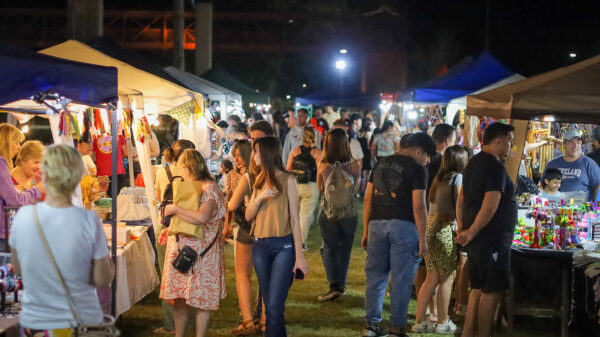













As we examine the return of Art Fair Break Razor, it’s vital to address the consequences it has for the entrenched slot culture within the UK art scene. This fair questions the market-driven priorities that often eclipse artistic merit. By highlighting emerging artists, it opens up new dialogues and depictions. But what does this mean for the future of inclusivity and equity in art? Let’s investigate the potential consequences together.
Key Takeaways
- Art Fair Break Razor questions the restrictive slot culture common in the UK art scene by advocating for diverse, marginalized voices.
- The fair fosters inclusive art discourse, resisting exclusivity and market-driven art focus in conventional exhibitions.
- By showcasing emerging artists, the fair emphasizes innovation and originality, opposing the pigeonholing of talent into specialized segments.
- Inclusivity at the fair tackles physical and mental accessibility, ensuring wider involvement and interaction from all community members.
- Community partnerships boost the fair’s impact, promoting authentic involvement while preventing symbolism in partnerships and engagement initiatives.
The Importance of Art Fair Break Razor
As we navigate the constantly changing landscape of the UK art world, the launch of art fair break razor offers a significant transformation, challenging traditional norms. This movement pushes the boundaries of what art fairs can mean, re-evaluating their conventional roles. By showcasing varied, underrepresented voices, we’re not just witnessing a change in programming; we’re witnessing a wider cultural impact. The significance of this art fair resides in its dedication to inclusion, which addresses elitism and promotes a more inclusive art discourse. It introduces pressing conversations to the center, urging us to rethink how art connects with society. As we engage in this transformation, we’re reminded of art’s power to stimulate, encourage, and initiate substantial transformation within our cultural fabric.
Understanding Slot Culture in Contemporary Art
In contemporary art, slot culture appears in various ways, often defining how artists, galleries, and institutions connect within the en.wikipedia.org creative ecosystem. Slot theory aids us understand this concept, unveiling how specific cultural settings affect artistic exhibition and audience interaction. We can identify key aspects that mold our understanding of art today:
- The prioritization of saleability over innovation.
- The inclination to pigeonhole artists into niche genres.
- The influence of tiered structures on exhibition chances.
Highlighting Emerging Artists at the Fair
While niche culture has dominated the UK art scene for years, the recent art fair offers an energizing platform for emerging artists to liberate themselves from these constraints and showcase their work. We’ve seen how this fair focuses on artist representation, giving voice to emerging talent often neglected in traditional venues. By annualreports.com arranging diverse exhibits, the fair not only highlights lesser-known artists but also questions established narratives within the art world. However, we must remain questioning: does this newfound exposure truly translate into sustained opportunities, or is it merely a temporary spotlight? As we engage with these fresh perspectives, we should ask ourselves how we can support this movement beyond the fair, ensuring that emerging artists can prosper, not just survive, in the UK art ecosystem.
The Impact of Accessibility in Art Exhibitions
Emerging artists gain valuable exposure at the fair, but what happens once the spotlight fades? Accessibility in art exhibitions often remains an secondary concern, leaving many artists and audiences struggling with accessibility barriers. This not only influences viewer engagement but also hampers equitable representation in our art community.
We must critically assess our practices and address the following challenges:
- Physical Accessibility
- Cognitive Accessibility
- Financial Barriers
Navigating the Art Market: Trends and Challenges
As we investigate the present landscape of the art market, we must realize that a combination of innovation and heritage shapes the hurdles and opportunities for artists. Art valuation has become increasingly complicated, often influenced by market fluctuations that control the apparent worth of both recognized and up-and-coming works. While new techniques and venues offer unique avenues for artists to display their work, they also bring doubts that can weaken traditional appraisal methods. Many of us wrestle with changing consumer likes, which can change suddenly, leaving artists exposed to volatile demand. Steering through this market requires us to remain adaptable, continuously reassessing our strategies and comprehending the nuanced interaction between creativity and business. Accepting this fluid environment is vital for continued success in today’s art world.
Community Engagement and Its Role in Art
As we examine the importance of community involvement in art, we can’t ignore how local alliances influence our imaginative scene. These collaborations often create participatory experiences that not only captivate audiences but also encourage a deeper link to the art itself. In the end, we must ask ourselves: how can these associations transform our comprehension of art worth?
Local Partnerships Impacting Art
While art often prospers in solitude, we’ve seen how local alliances can significantly boost its influence and extent. By engaging with community groups, artists increase their messages and promote inclusion.
Reflect on how local partnerships can add to art in three key ways:
- Making Accessible Art
- Fostering Dialogue
However, it’s critical to remain cautious of tokenism within these collaborations. Genuine engagement means recognizing and cherishing the contributions of all parties, guaranteeing that the art world truly mirrors its diverse community.
Interactive Art Experiences Engage
Local partnerships have laid the groundwork for something even more exciting: interactive art experiences that truly engage communities. These interactive installations encourage audience participation in ways that challenge traditional art viewing. By enabling us to become part of the artwork, these installations nurture a deeper connection between art and individuals. Yet, we must question whether this engagement fosters genuine understanding or simply serves as a spectacle. While the allure of participation is undeniable, it risks reducing complex narratives to mere experiences. We should carefully assess how these encounters affect cultural discourse and whether they’re truly empowering or merely amusing. As we navigate this evolving landscape, let’s not forget the heart of art—to stimulate thought and foster dialogue among diverse communities.
Looking Ahead: The Future of Art Fairs in the UK
Art fairs in the UK are ready for a significant shift as they adjust to a rapidly changing cultural landscape. We’ve got to adopt digital transformation to remain significant, guaranteeing accessibility to a broader audience. To succeed, we need to focus on three key areas:
- Enhancing virtual engagement
- Cultivating audience diversity
As we traverse this evolution, we must critically assess our value propositions, balancing profitability with inclusivity razor-returns.co.uk. The future of art fairs in the UK hinges on our ability to create meaningful connections through innovation while respecting the past.
Conclusion
As we contemplate the return of Art Fair Break Razor, it becomes clear that this initiative is more than just an event; it’s a crucial challenge to the status quo of slot culture in the UK art scene. By highlighting diverse, emerging voices, we’re not only redefining the narratives that define contemporary art but also nurturing a more inclusive environment that values creativity over marketability. Together, let’s support a broader appreciation of art’s myriad expressions.