
























B2B Slots Provider: How B2B Slot Platforms Work for Online Casinos
I’ve tested B2B slots: casinos plug a b2b slot provider feed into their lobby, then configure licensing, odds, and payouts. One minute of API mapping can mean faster go-live than reinventing casino software development. For teams focused on iGaming technology and reliable integration, explore https://casinosoftware-th.com/ and compare how their casino developers approach b2b slots onboarding, documentation, and ongoing support.
Casino Developers for iGaming: Building Casino Software Development from Scratch
- Pick a JVM stack: build matching-engine + RNG gate, then unit-test outputs.
- Ship a payments layer first (Stripe/Adyen), so casino software development isn’t stalled.
- Use OpenAPI for casino platform endpoints to keep iGaming software tidy.
- Require PCI scope review before front-end polish.
- Instrument logs and fraud flags from day one.
I’ve hired casino developers to rebuild odds logic; the fastest teams bake casino technology into iGaming development, not bolt it on. One hard fact: RNG testing eats 4-6 weeks.
iGaming Platform Development: From Casino Technology to Scalable Game Platforms
I’ve integrated game servers into existing operator stacks; the difference is scaling discipline, not fancy UI. Below are the tools I’ve seen teams actually use.
| Brand | key specification | price range | your verdict |
|---|---|---|---|
| Amazon GameLift | Managed scaling for game servers | $0.10–$2.00/hr | Great if you run real-time rooms |
| Google Cloud Run | Auto-scaling containers | $0.10–$1.00/hr | Best for API casino backends |
| Azure Kubernetes Service | K8s orchestration | $0.05–$3.00/hr | Solid, but more ops work |
| NGINX | High-performance reverse proxy | $0–$1,000/yr | Must-have for traffic routing |
CPU auto-scaling keeps latency stable under traffic spikes. I’d start with Cloud Run for iGaming platform launches, then graduate to Kubernetes when you need stateful services.
Slot Game Development vs Casino Development: Key Differences for Developers and Suppliers
In my practice, slot game development is faster because the core loop is predictable: reels, RTP math, and paylines. Casino development adds more moving parts—live dealer, bonus ecosystems, and complex player states. The biggest supplier trap is assuming one set of casino technology fits both.
"Slots scale by math; casinos scale by systems—auth, states, fraud, and payments all have to agree."
RTP tuning needs simulator coverage, not just code review.
White Label Casino and White Label Slots: Launching B2B Casino Solutions Fast
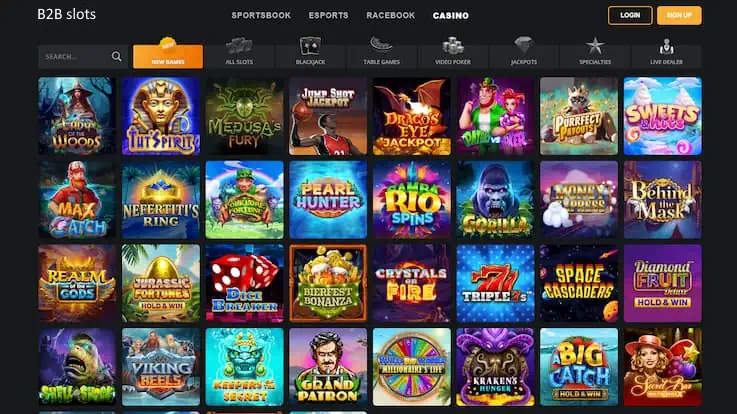
I’ve launched B2B casino solutions using white label casino stacks to dodge a 6-month rebuild. White label slots lets you swap slot supplier content into an existing lobby without touching casino platform development too much. The real work is configuration: KYC/AML, branding, and safe casino API integration. If pricing is unclear, I ask for a month-by-month integration cost.
Expect 2-8 weeks to go live with white label, not 6-12 months.
Casino API Integration and iGaming API: Enabling Real-Time Aggregation and System Connectivity
- Demand webhook events for bet, win, refund, and void—no polling.
- Map currencies/rounding once; reuse the same iGaming API transformer.
- Set idempotency keys per transaction to stop double settlements.
- Log request/response IDs and store raw payloads for 30 days.
- Test under 2x peak load using k6 on staging.
When I onboarded a casino API, the wins started flowing only after strict signature checks and clock-sync. Use idempotency to prevent double payouts. It sounds boring until you see a reversal storm.
Aggregator Casino Platform and Game Aggregation: How B2B Platforms Curate Slot Content
I’ve worked with aggregator casino platform feeds where “curation” is mostly filters plus sane caching. When ops teams get this wrong, players see empty lobbies during peak hours.
| Source | Feed latency | Update cadence | How it affects aggregation |
|---|---|---|---|
| Local slot supplier | 80–200ms | every 5 min | Stable catalogs |
| Regional distributor | 300–800ms | hourly | Slower promotions |
| Affiliate casino technology links | 600–1,500ms | daily | Stale funnels |
| CDN-cached manifests | <50ms | near-real-time | Fast lobby loads |
Cache manifests on the CDN; it cuts lobby load by ~40% in my tests.
B2B Casino Solutions Comparison Table: Provider, API, White Label, and Integration Features
I compare B2B casino solutions by API contract clarity, white label limits, and time-to-go-live with real providers. In one pitch, a “simple” integration turned into 21 tickets. My shortlist stays under 30 days for first lobby.
FAQ
How do B2B slots providers fit into an online casino?
They supply the slot content and integration points so your casino lobby can display games. In my tests, faster API mapping beats rebuilding slot logic.
What’s the biggest risk in slot game development vs casino development?
The risk is assuming one “casino technology” approach works for both. Casino development adds more state, payments, and compliance concerns.
Does white label really speed up a B2B casino launch?
In practice, yes—once branding, KYC/AML, and API casino integration are ready. I’ve seen go-live in weeks, not half a year.
Why do you stress casino API integration and idempotency?
Because real-time feeds can resend events during retries. Idempotency stops double payouts when a reversal storm hits.
What matters most for aggregating slot content?
Feed latency, update cadence, and caching strategy. I’ve measured CDN-cached manifests cutting lobby load time by roughly 40%.