






















- Distinct architecture featuring pavilion 88 enhances urban landscapes and community spaces
- The Historical Context of Pavilion Architecture
- The Evolution of Materials and Techniques
- Design Principles of Effective Pavilions
- The Importance of Contextual Integration
- Pavilions as Catalysts for Community Engagement
- Programming and Activities within Pavilions
- The Future of Pavilion Design and Urban Integration
- Beyond Structure: Pavilions as Micro-Ecosystems
Distinct architecture featuring pavilion 88 enhances urban landscapes and community spaces
The concept of adaptable and aesthetically pleasing outdoor structures has consistently evolved with societal needs and architectural innovation. Among the diverse range of designs, the pavilion 88 stands out as a compelling example of how form and function can harmonize to create vibrant community spaces and enhance urban environments. It represents a deliberate shift towards designs that are not merely shelters, but integrated elements within the broader landscape, fostering interaction and providing versatile areas for various activities. The continuing exploration of these architectural forms is vital for creating welcoming and engaging public realms.
Contemporary urban design often prioritizes efficiency and scale, occasionally at the expense of human-centric considerations. Structures like pavilion designs address this imbalance by prioritizing user experience and aesthetic appeal. They offer spaces for respite, social gatherings, and cultural events, enriching the quality of life in urban centers and beyond. These elements contribute significantly to the overall identity and character of a place, making it more inviting and memorable. Modern build technology aids in the realization of these designs.
The Historical Context of Pavilion Architecture
Pavilions, in their earliest forms, were often associated with royalty and nobility, serving as temporary structures for garden parties, exhibitions, or simply as decorative features within expansive landscapes. These early pavilions were frequently ornate, showcasing the wealth and status of their owners. Over time, the function and design of pavilions broadened, becoming integral parts of public parks, world’s fairs, and international expositions. The Victorian era witnessed a particular flourish in pavilion design, characterized by intricate ironwork, glass construction, and a celebration of industrial innovation. These structures weren’t simply about aesthetics; they demonstrated pioneering engineering capabilities.
The 20th and 21st centuries saw a further diversification of pavilion architecture. Modernist principles led to simpler, more functional designs, often utilizing concrete, steel, and glass. Contemporary pavilions frequently explore sustainable materials and technologies, reflecting a growing awareness of environmental concerns. They tend toward minimalist forms that integrate with the natural environment, and an emphasis on creating adaptable spaces that can cater to varying needs. A key trend is the incorporation of smart technologies for lighting, climate control, and security.
The Evolution of Materials and Techniques
The materials used in pavilion construction have dramatically evolved. Historically, wood, stone, and brick were dominant. The introduction of iron and steel in the 19th century allowed for larger spans and more complex designs. The 20th century brought the widespread use of concrete, offering both structural strength and design flexibility. Today, architects are increasingly experimenting with innovative materials, including lightweight composites, recycled plastics, and bio-based materials. These materials offer several advantages such as reduced environmental impact and enhanced durability. The adoption of digital fabrication techniques like CNC milling and 3D printing allows for the creation of intricate and customized pavilion components.
The construction techniques have also undergone a significant transformation. Traditional methods involving skilled craftsmanship have been supplemented by prefabricated elements and modular construction. This approach reduces construction time and costs while maintaining high-quality standards. The use of Building Information Modeling (BIM) allows for precise coordination between designers, engineers, and contractors, minimizing errors and ensuring a smoother construction process. These improvements are central to delivering imaginative and resource-efficient projects.
| Wood | Renewable, aesthetically pleasing, good insulator | Susceptible to decay, requires maintenance, fire hazard |
| Steel | Strong, durable, versatile | Corrosion prone, high thermal conductivity, energy intensive to produce |
| Concrete | Strong, durable, fire resistant | High carbon footprint, rigid, can crack over time |
| Composites | Lightweight, strong, corrosion resistant | Can be expensive, recycling challenges |
The choice of materials and construction techniques depends heavily on the specific design, budget, and environmental conditions. A well-considered approach should balance aesthetic considerations with practical constraints and sustainability goals.
Design Principles of Effective Pavilions
Effective pavilion design goes beyond mere aesthetics; it requires a thoughtful consideration of functionality, context, and user experience. Key principles include creating a clear sense of identity and purpose, establishing a strong connection with the surrounding environment, and providing comfortable and inviting spaces for people to gather. Accessibility is a fundamental consideration, ensuring that the pavilion is usable by people of all abilities. Careful attention should be paid to factors such as orientation, shading, ventilation, and lighting to maximize comfort and minimize energy consumption. Versatility is also important, allowing the pavilion to adapt to different activities and seasons.
The spatial arrangement within the pavilion is critical in defining its usability. Open, flexible spaces encourage interaction and allow for a variety of uses. Defined areas can provide more intimate settings for smaller groups or individual activities. The transition between indoor and outdoor spaces should be seamless, blurring the boundaries between the built environment and the natural world. A well-designed pavilion should feel both welcoming and stimulating, fostering a sense of community and belonging.
The Importance of Contextual Integration
A successful pavilion doesn't simply exist in its environment, it integrates with it. This means understanding the surrounding landscape, architectural styles, and cultural context. The pavilion’s design should respond to existing site features, such as trees, topography, and views. It should also complement the architectural character of nearby buildings, creating a harmonious relationship between the new structure and its surroundings. The use of local materials and construction techniques can further enhance contextual integration. Consideration should be given to the pavilion's impact on pedestrian and vehicular traffic flows.
The surrounding landscape can be just as important as the pavilion itself. The integration of landscaping, planting, and water features can create a more inviting and engaging environment. Native plants are often preferred, as they require less maintenance and support local ecosystems. The landscaping can also provide shade, reduce noise pollution, and improve air quality. Through careful design choices, a pavilion can become an integral part of its surroundings, enhancing the overall quality of the public realm.
- Consider the surrounding natural elements.
- Use materials that blend with the existing architecture.
- Ensure accessibility for all users.
- Prioritize sustainable design practices.
- Foster a sense of community and belonging.
The underlying philosophy of design impacts how a structure interacts with the user and its environment. Thoughtful consideration is crucial.
Pavilions as Catalysts for Community Engagement
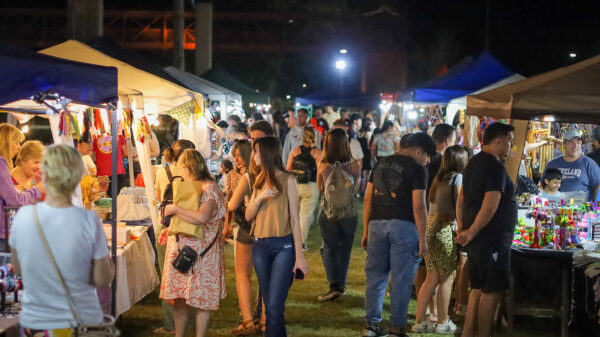
Beyond their aesthetic and functional qualities, pavilions can serve as powerful catalysts for community engagement. They provide neutral ground for people from all walks of life to come together, interact, and build relationships. Pavilions are excellent venues for hosting local events, such as concerts, farmers' markets, art exhibitions, and festivals. They can also provide space for community workshops, meetings, and educational programs. By creating opportunities for social interaction, pavilions can help to strengthen community bonds and foster a sense of civic pride.
The design of the pavilion itself can encourage engagement. Open layouts, inviting seating areas, and interactive features can all contribute to a welcoming atmosphere. Incorporating elements that reflect the local culture and history can further enhance community ownership. Providing access to information about local events and resources can also help to connect people with their surroundings. The goal is to create a space that is not simply used by the community, but actively shaped by it.
Programming and Activities within Pavilions
The success of a pavilion as a community hub depends in large part on the variety and quality of programming. A well-curated program should cater to a diverse range of interests and ages, offering something for everyone. This might include regular music performances, art workshops, film screenings, book clubs, and health and wellness classes. Partnering with local organizations and businesses can help to expand the reach of the program and ensure its relevance to the community. Seasonality should also be taken into account, with activities that are appropriate for different times of the year.
Community input is essential when developing a program. Surveys, focus groups, and public meetings can help to identify local needs and interests. The program should be flexible and responsive, adapting to changing community dynamics. Regular evaluation of the program’s impact is also important, allowing for adjustments and improvements over time. By prioritizing community needs and fostering a sense of ownership, pavilions can become invaluable assets.
- Conduct community needs assessment.
- Develop a diverse program schedule.
- Partner with local organizations.
- Promote events effectively.
- Evaluate program impact regularly.
Thoughtful programming elevates a structure from a static building to a dynamic community focal point.
The Future of Pavilion Design and Urban Integration
The future of pavilion design is likely to be shaped by several key trends, including a growing emphasis on sustainability, the integration of smart technologies, and the demand for adaptable and resilient spaces. We can expect to see more pavilions built from sustainable materials, utilizing renewable energy sources, and incorporating water conservation measures. Smart technologies, such as programmable lighting, automated shading, and environmental sensors, will enhance the functionality and efficiency of pavilions. The ability to adapt to changing needs will be increasingly important, with modular designs and flexible layouts that can accommodate a variety of uses.
One exciting application of pavilions is in the realm of temporary urban interventions. Pop-up pavilions can transform underutilized spaces into vibrant public areas, providing opportunities for art, performance, and community gatherings. These temporary structures can also serve as testing grounds for innovative design concepts and sustainable technologies. They offer a low-risk way to experiment with new ideas and gather feedback from the community. The pavilion 88 concept serves as inspiration for adaptability.
Beyond Structure: Pavilions as Micro-Ecosystems
Looking beyond the architectural and social implications, pavilions are increasingly envisioned as potential micro-ecosystems. Integrating green roofs, living walls, and rainwater harvesting systems elevates their environmental contribution. These features not only enhance the aesthetics of the pavilion but also provide habitats for local wildlife, improve air quality, and reduce stormwater runoff. The inclusion of pollinator gardens can support bee populations and promote biodiversity. This approach transforms the pavilion from a mere structure into an active component of the urban ecosystem.
Consider the potential of a pavilion designed to function as a vertical farm, providing fresh produce for the local community. Or a pavilion that incorporates solar panels and battery storage, generating clean energy for its own operation and potentially contributing to the grid. These innovative concepts demonstrate the potential for pavilions to become self-sufficient and contribute to a more sustainable urban future. The success depends on embracing interdisciplinary collaboration—architects, engineers, ecologists, and community members working in unison.