























- Picturesque Transylvania unveils the captivating secrets surrounding chicken road for daring travelers
- The Historical Context and Evolution of the Route
- The Impact of Tourism on Local Communities
- Essential Gear and Preparation for the Journey
- Navigational Tools and Route Planning
- Safety Considerations and Potential Hazards
- Respecting the Environment and Local Customs
- The Best Time of Year to Travel the Chicken Road
- Beyond the Drive: Exploring Transylvanian Culture and History
Picturesque Transylvania unveils the captivating secrets surrounding chicken road for daring travelers
Transylvania, a region steeped in history and folklore, often conjures images of dramatic landscapes and medieval castles. However, beyond the well-trodden tourist paths lies a road less ordinary, a challenging and beautiful route known to locals and adventurous travellers as the chicken road. This isn’t a road designed for the faint of heart; its winding, unpaved surface and demanding terrain require skill, patience, and a vehicle prepared for anything. The name itself is a humorous nod to the difficulty of the drive – even chickens would struggle to navigate it without assistance.
The allure of the chicken road isn’t simply its challenging nature. It’s the immersive experience it provides, a chance to disconnect from the modern world and journey through a landscape seemingly untouched by time. Passing through remote villages, dense forests, and alongside breathtaking vistas, the chicken road offers a unique perspective on Transylvanian life and beauty. It’s a route that rewards those who venture onto it with unforgettable memories and a deep appreciation for the raw, untamed spirit of Romania. Many consider it to be a truly authentic experience, far removed from the typical tourist trails.
The Historical Context and Evolution of the Route
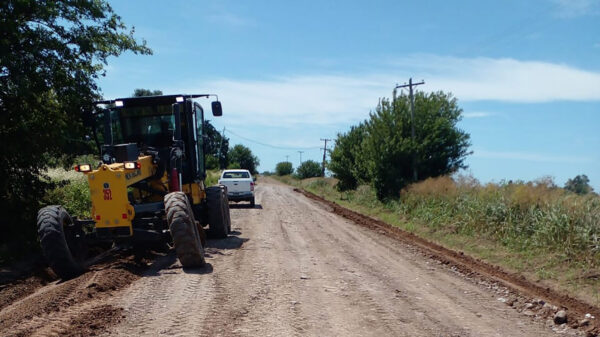
The origins of the chicken road are rooted in the practical needs of the local communities. Before modern infrastructure arrived in the Carpathian Mountains, this network of paths served as the primary means of connecting isolated villages. Farmers, shepherds, and traders relied on these routes to transport goods, livestock, and themselves, regardless of the harsh conditions. The road’s current state, and the nickname, emerged with the rise of off-road tourism. As 4×4 enthusiasts began exploring the region, they discovered (and often created) sections that pushed the limits of both driver and vehicle. The challenging terrain, a mix of gravel, mud, rocks, and even occasional water crossings, quickly earned it the moniker ‘chicken road’ – a testament to its perceived difficulty.
The Impact of Tourism on Local Communities
The increasing popularity of off-road adventuring and the chicken road has had a significant impact on the local communities along the route. While tourism can bring economic benefits – such as increased business for guesthouses, restaurants, and local artisans – it also presents challenges. Responsible tourism practices are crucial to minimizing negative impacts. Supporting local businesses directly, respecting local customs, and minimizing environmental damage are all essential considerations for travellers exploring this region. Balancing the benefits of tourism with the preservation of the area’s unique cultural heritage is a priority for both the local authorities and the tourism operators.
| Bâlea Pass to Rimetea | Moderate to High | Gravel, rocky sections, stream crossings | 4×4 with high ground clearance |
| Rimetea to Aiud | Moderate | Forest tracks, muddy patches | 4×4 recommended, but high-clearance 2WD possible in dry conditions |
| Aiud to Zlatna | High | Steep inclines, large rocks, significant mud | Experienced off-road driver and well-equipped 4×4 essential |
| Zlatna to Abrud | Moderate | Dirt tracks, occasional potholes | 4×4 or robust 2WD |
Choosing the right vehicle is paramount. A robust 4×4 with high ground clearance is almost essential for tackling the more challenging sections, particularly when weather conditions are unfavourable. A competent driver with off-road experience is equally important, as navigating the terrain safely requires knowledge and skill.
Essential Gear and Preparation for the Journey
Embarking on the chicken road adventure requires careful preparation and the right equipment. Beyond a suitable vehicle, travellers should equip themselves with a range of essential tools and supplies. This includes recovery gear such as a winch, tow straps, and shackles, as well as a comprehensive first-aid kit, spare tires, and a reliable communication device (satellite phone or two-way radio) due to limited cell phone coverage in certain areas. It’s also vital to pack sufficient food and water, as amenities are sparse along the route. Clothing should be layered and appropriate for all weather conditions, as mountain weather can change rapidly.
Navigational Tools and Route Planning
Accurate navigation is crucial, as the chicken road isn’t always clearly marked. A GPS device with pre-loaded offline maps is highly recommended. Traditional paper maps can also be invaluable as a backup. Before setting off, it’s prudent to research the route thoroughly, to understand the potential challenges and plan accordingly. Informing someone of your planned route and estimated return time is a crucial safety precaution. Consider downloading offline maps on your phone, but do not rely on cell service.
- GPS device with offline maps
- Winch and tow straps
- Comprehensive first-aid kit
- Spare tires and tools
- Satellite phone or two-way radio
- Sufficient food and water
- Layered clothing
- Detailed route map
The beauty of the chicken road lies not just in reaching the destination, but in the journey itself. Taking the time to soak in the surroundings, interact with local communities, and appreciate the rugged beauty of Transylvania is an integral part of the experience.
Safety Considerations and Potential Hazards
While the chicken road offers an exhilarating experience, it's crucial to be aware of the potential hazards and prioritize safety. The terrain can be treacherous, with steep inclines, loose rocks, and slippery mud. Weather conditions can change rapidly, transforming a manageable route into a challenging obstacle course. Vehicle breakdowns are also a possibility, especially on the more remote sections. Travelling in a convoy of two or more vehicles is highly recommended, as this provides a safety net in case of emergencies. It’s also important to be aware of local wildlife, including bears and wolves, and to take appropriate precautions. Always maintain a safe speed, and be prepared to yield to other vehicles or pedestrians.
Respecting the Environment and Local Customs
Preserving the natural environment and respecting local customs are paramount. Avoid damaging vegetation, disturbing wildlife, or leaving litter. Support local businesses whenever possible, and be mindful of cultural sensitivities. The communities along the chicken road rely on tourism to supplement their income, and responsible tourism practices are essential to ensure the sustainability of this industry. Ask for permission before taking photographs of people, and dress modestly when visiting villages. Learning a few basic Romanian phrases can also enhance your interactions with locals.
- Travel in a convoy
- Carry a comprehensive first-aid kit
- Inform someone of your route
- Be prepared for changing weather conditions
- Respect local wildlife
- Support local businesses
- Learn basic Romanian phrases
- Leave no trace
Remember that the area is home to many animals and the land is precious. Protecting the natural environment is key to ensuring future generations can enjoy the beauty of the location.
The Best Time of Year to Travel the Chicken Road
The optimal time to tackle the chicken road is during the late spring, summer, or early autumn months (May-October). During these months, the weather is generally milder, and the roads are less likely to be covered in snow or ice. However, even during these periods, it’s essential to be prepared for changing conditions. The spring months can bring rain and mud, while the autumn months can be prone to fog. Winter travel is generally discouraged due to the extreme conditions and the risk of avalanches. Before setting off, it’s advisable to check the local weather forecast and road conditions. The shoulder seasons (May and October) offer a good balance of favorable weather and fewer crowds.
The character of the chicken road changes with the seasons. In spring, wildflowers bloom along the route, creating a vibrant and picturesque landscape. Summer brings warm temperatures and long daylight hours, perfect for extended explorations. Autumn transforms the forests into a tapestry of golden and red hues, offering stunning photographic opportunities. Regardless of the time of year, the chicken road promises an unforgettable adventure.
Beyond the Drive: Exploring Transylvanian Culture and History
The chicken road isn't merely a driving route; it’s a gateway to a rich tapestry of Transylvanian culture and history. The region is dotted with medieval castles, fortified churches, and charming villages that offer a glimpse into the past. The nearby town of Sighisoara, a UNESCO World Heritage site, is the birthplace of Vlad the Impaler, the inspiration for the Dracula legend. Exploring these historical sites and interacting with local communities provides a deeper understanding of the region’s unique heritage. Taking the time to sample the local cuisine, listen to traditional music, and learn about local customs can enrich your journey and create lasting memories.
The Transylvanian landscape also lends itself to a variety of outdoor activities beyond off-roading. Hiking, mountain biking, and horseback riding are popular options, providing opportunities to explore the region’s natural beauty from different perspectives. Visiting local markets, sampling local wines, and attending cultural events can also enhance your experience. The chicken road serves as an excellent base for discovering the hidden gems of Transylvania.